About Saint Thomas More Academy
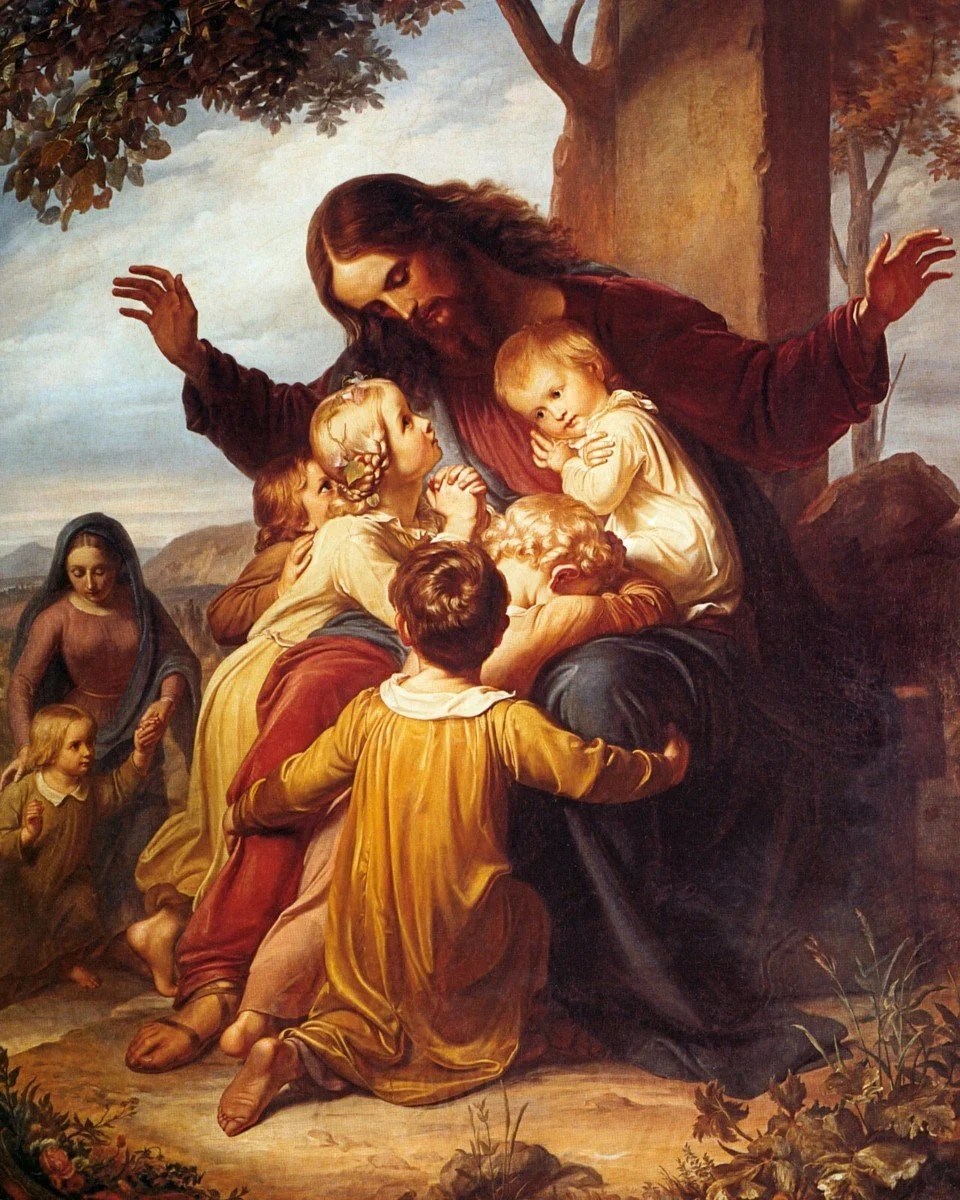
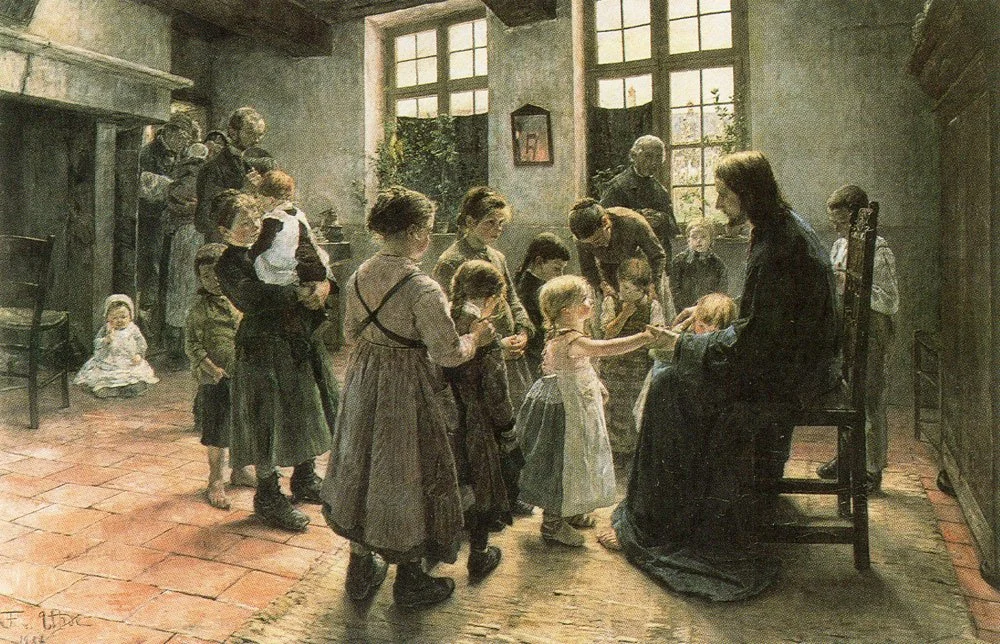
Jesus said, ‘Let the children come to me, and do not stop them, for it is to such as these that the kingdom of heaven belongs.’
– Mathew 19:14
St. Thomas More Academy loves God and neighbor by assisting families in forming saints in faith, reason, and virtue, through a Catholic classical education in a faithful Catholic community.
Our Mission Statement
✝
Educational Philosophy
✦
Below is an explanation of our mission statement, thought by thought. All our principles are deeply rooted in the Vatican’s philosophy of education.
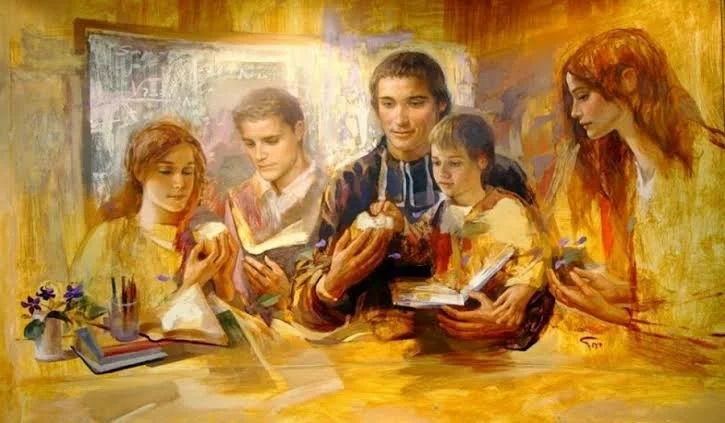
To bring up children properly, we must love them, and love them all equally.
– St. Marcellin Champagnat, a patron saint of education and teachers
St. Thomas More Academy loves God and neighbor…
We strive to ground our culture and our work in love of Jesus Christ. Pope Benedict XVI exhorts us that “first and foremost, every Catholic educational institution is a place to encounter the living God, who in Jesus Christ reveals His transforming love and truth.”* Love is the means and the end. By growing the virtue of charity within our school, that is, willing the good of each soul in our community, we help prepare students to enjoy God’s love and communion in Heaven.
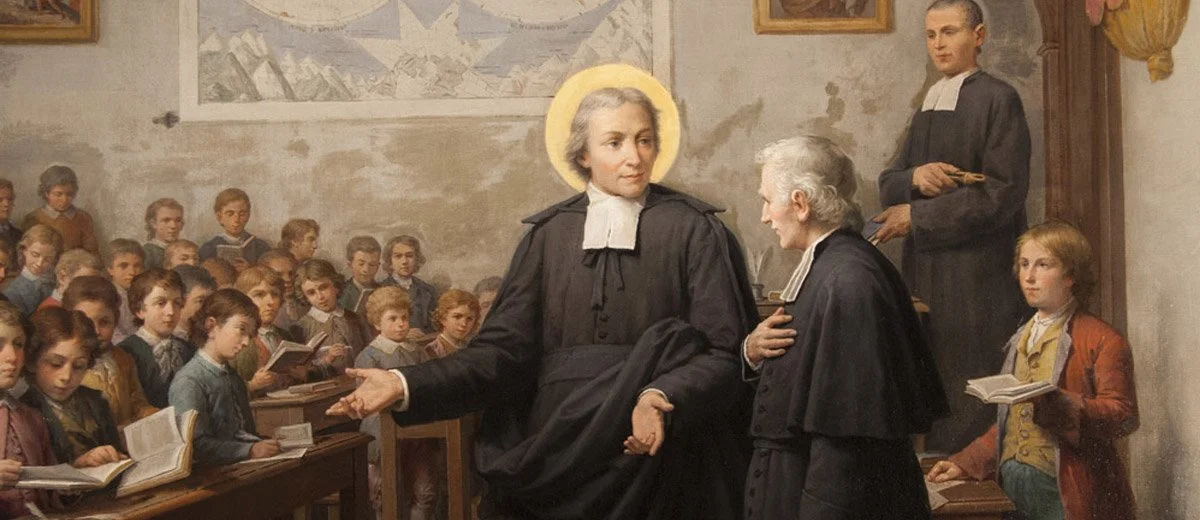
Regard the children whom God has entrusted to you as children of God. Take much more care of the education of the young people entrusted to you than if they were the children of a king.
– St. Jean Baptiste de La Salle, a patron saint of teachers
… by assisting parents…
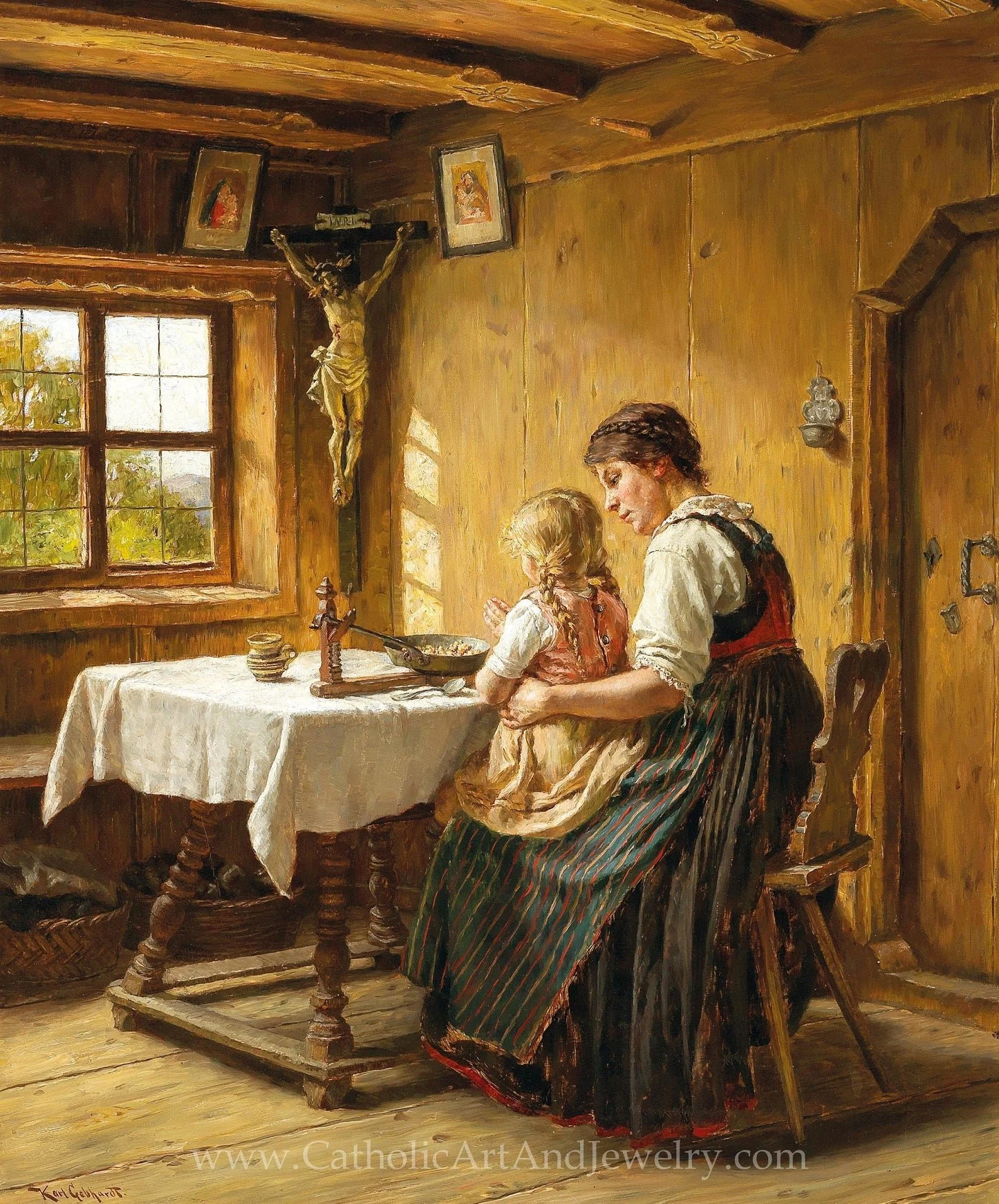
We know that our school does not carry out its mission alone. We follow the Church teaching that parents are their children’s primary educators and have the original and inalienable right to teach them according to the family’s moral and religious convictions.** Our school endeavors to support parents in this important duty.
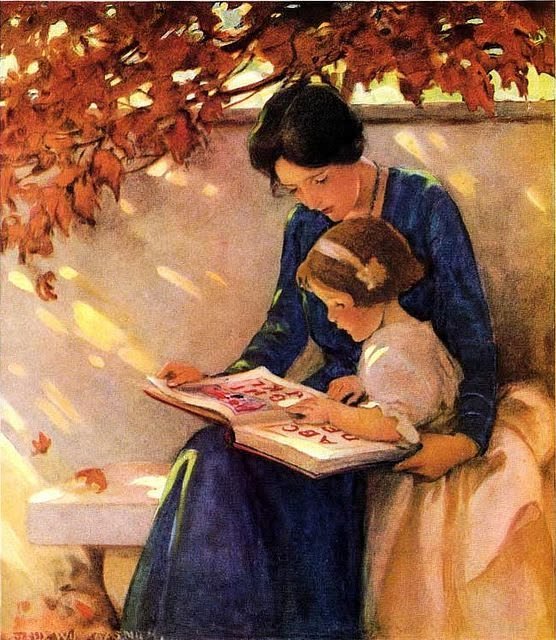
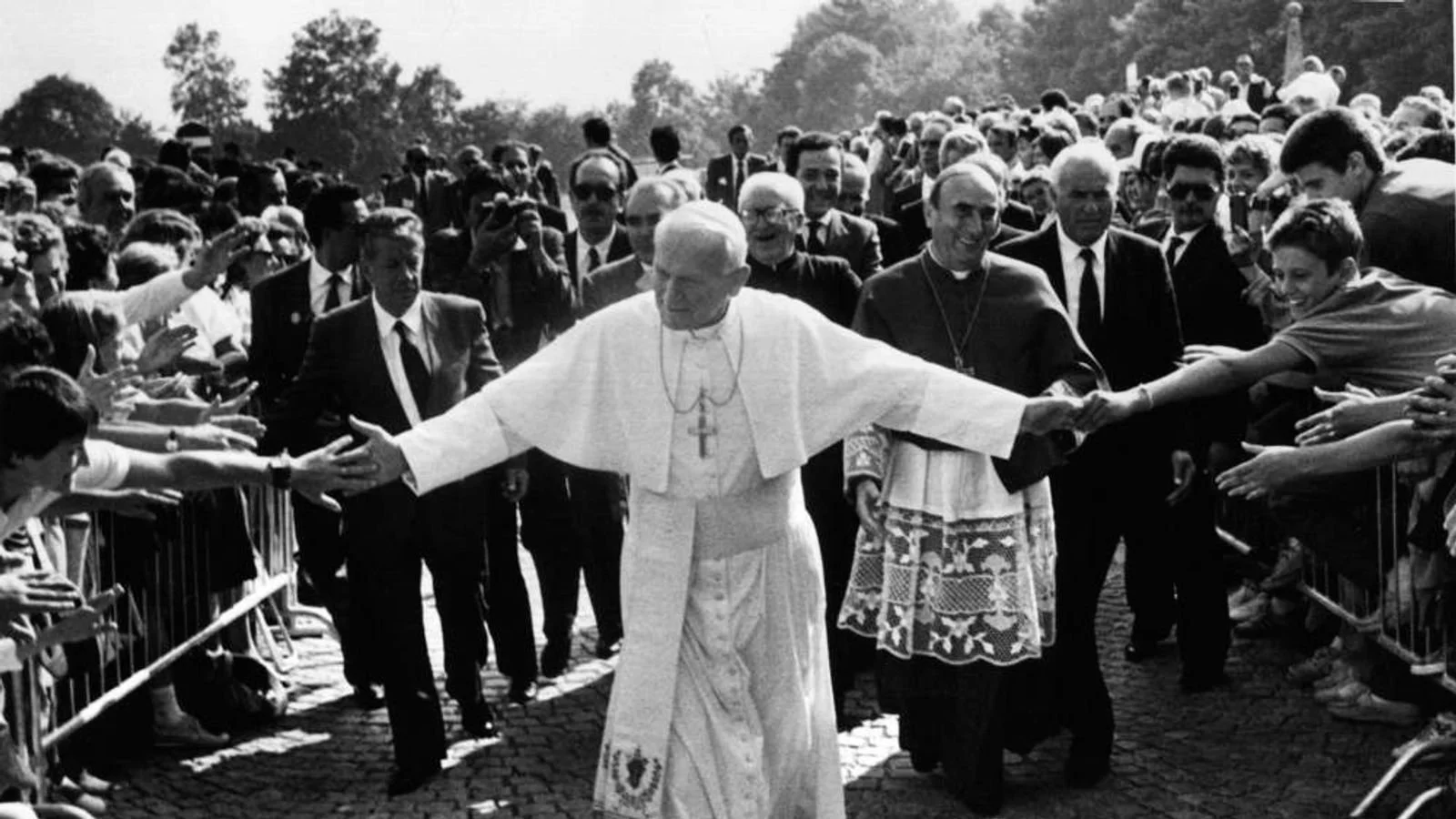
Parents must be acknowledged as the first and foremost educators of their children … [parents are] … original and primary … irreplaceable and inalienable.
– Pope St. John Paul II, Familiaris Consortio, no. 36
The formation of a saint is the highest goal we could imagine for the development of the souls in our care. Many schools aim for students to become productive members of society, or even good and faithful people, but we wish to see in every child the holy invitation to become the greatest saints of the Church. Our primary way of forming saints is to impart upon students the life of the sacraments. With the Eucharist, the Holy Mass, and prayer as the center of our school, we hope to bring each soul closer to Jesus Christ.
… in forming saints…
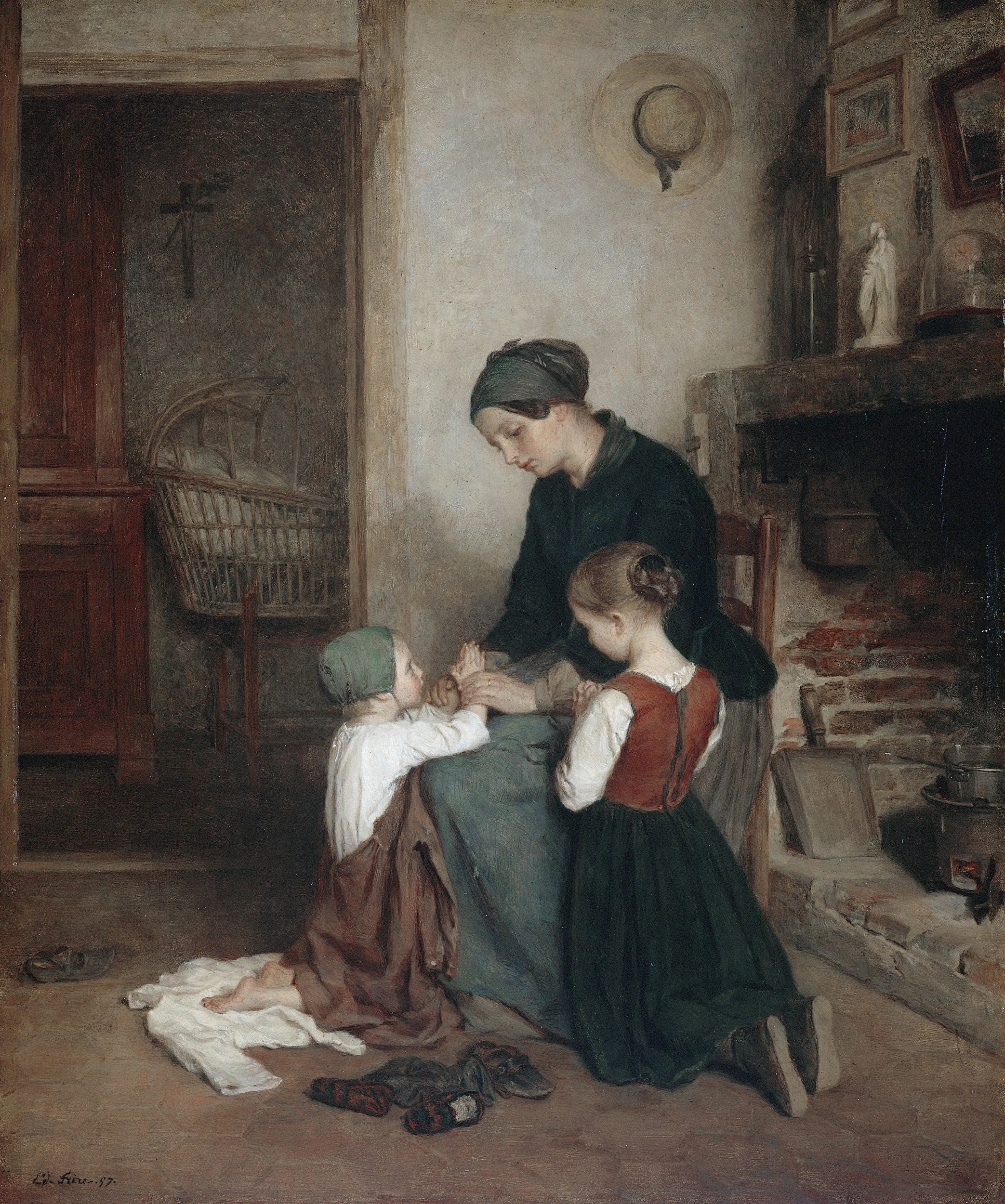
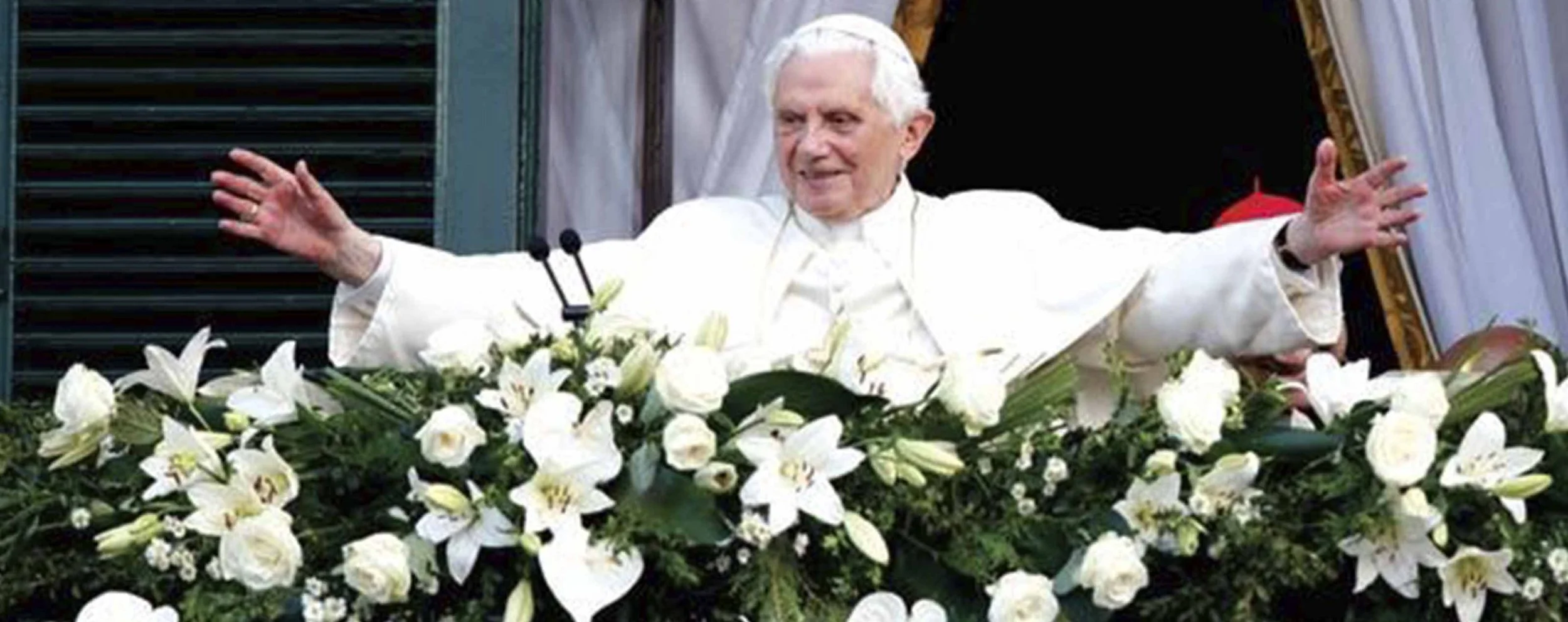
A good school provides a rounded education for the whole person. And a good Catholic school, over and above this, should help all its students to become saints.
– Pope Benedict XVI
… in faith, reason, and virtue…
These values together reflect our commitment to the integral formation of our students. As a Catholic and classical school, we aspire to “the development of the whole man, since in Christ, the Perfect Man, all human values find their fulfillment and unity.”† We aim to help students develop their physical, intellectual, moral, and spiritual faculties in harmony. The purpose of this education is to honor God’s intent for the development of the human being and to look forward to the perfection of our nature which only God can bestow.
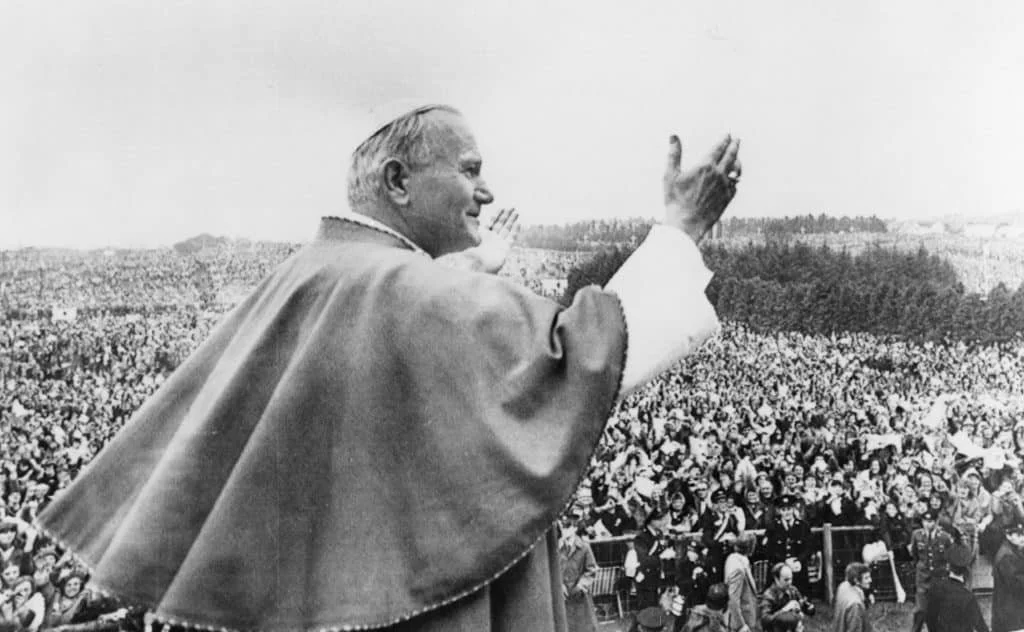
Faith and reason are like two wings on which the human spirit rises to the contemplation of truth.
– St. John Paul II, Fides et Ratio
… through a Catholic classical education…
We pursue the integral formation of students by following in the rich tradition of Catholic classical education. We seek to transmit this beautiful intellectual heritage which was born in ancient Greece and Rome and adopted, developed, and enriched by the Church. Classical schooling also honors the child’s natural wonder and sense of truth, beauty and goodness. Through this approach, students develop spirit and intellect in balance, discover the harmony of faith and reason, and gain tools to understand the world around them in the light of Christianity.
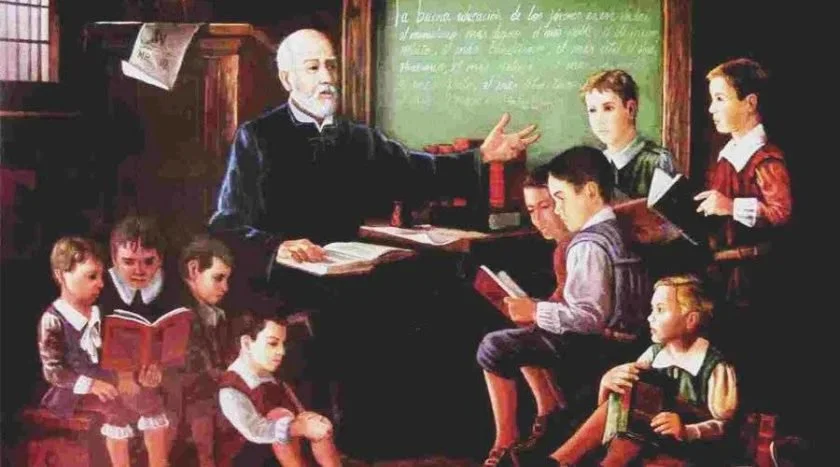
If children, from their earliest years, are instructed diligently in piety and letters, it must undoubtedly be expected that their whole life will be happy.
– St. Joseph Calsanz, a patron saint of Catholic schools
…in a faithful Catholic community.
Cultivating a faithful Catholic community is vitally important to our philosophy of spiritual formation. Catholic schools are distinct from non-Catholic schools in that they attempt to “create for the school community a special atmosphere animated by the Gospel spirit of freedom and charity.”‡ By creating an environment inspired by a vibrant, living Catholic faith, and with the witness of Catholic teachers, students will be able to encounter Christ in a personal way throughout their education.
* Pope Benedict XVI, “Meeting with Catholic Educators,” Washington, D.C., 2008.
** Pope Paul VI, Gravissimum Educationis (Vatican City, 1965) 6.
† Congregation for Catholic Education, The Catholic School (Vatican City, 1977) 35.
‡ Pope Paul VI, Gravissimum Educationis (Vatican City, 1965) 8.
For a deeper dive into our educational philosophy, we invite you to take a look at our full-length School Identity Document.
Our Story
✦
St. Thomas More Academy began as a dream born in the heart of a loving, homeschooling father of Savannah named Michael Sottile.
As a young man, Michael’s life goal was to get married, have many children, and homeschool each one. Michael did just that, and his family can vouch that he did a very good job at it.
Michael worked hard to form his children with a world-class, integral Catholic homeschool education. As he grew older, Michael wanted to see the gift of his children’s education shared with the world, an act of love for other kids in society who would need the same education. So, in 2022, he reached out to trusted friends who shared his mission of renewing education by starting a school. His friends warmly accepted the call to go on this adventure with Michael; thus they began planning for what would become St. Thomas More Academy.
Michael reposed two years ago, having lived a full and happy life. In his planning for the school, he wrote,
“Schools, both religious and secular, are suffering an identity crisis. They don’t know what they believe or what they stand for. It is [our school’s] belief that without Christ as the embodiment of wisdom, without the foundation of Holy Scripture and tradition, without the end in friendship with God, education is meaningless… It is our intent that education should form a student into the shape of God’s design, in conformity with Natural Law… When schools were first established in early America, they were built on the Liberal Arts, with piety as the foundation and contemplation as the end. What is needed is a renewal through the past... The teacher’s job is to impart to the student how to love the true, good, and beautiful.”
Now, St. Thomas More is beginning with this legacy at its heart. We wish to assist parents in whatever way we can to make education what it should be. We are honored and grateful to participate in God’s unfolding narrative in this story.
Our Teachers
-
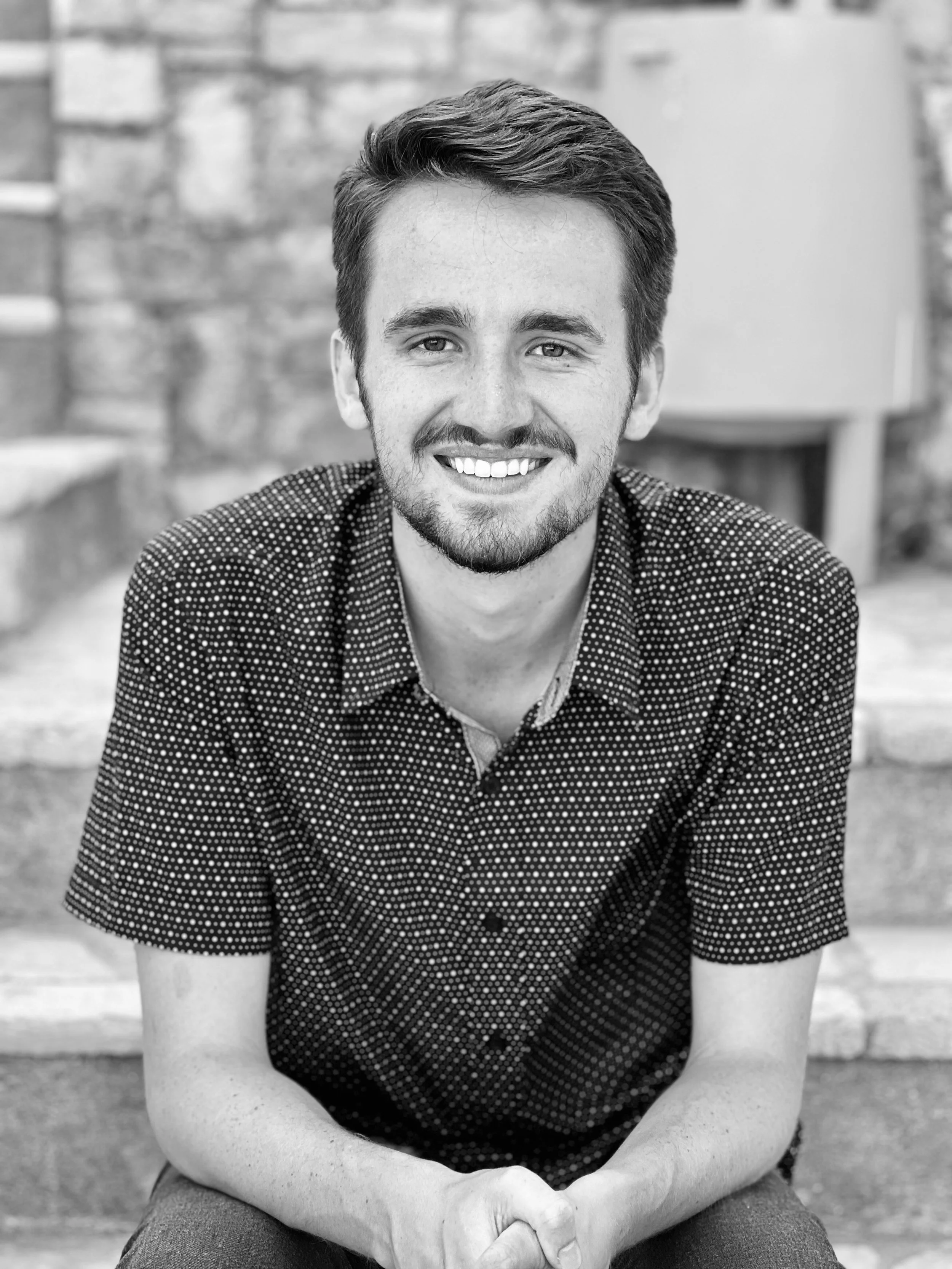
Champlin Janz, M.A.
Champlin holds a bachelor's degree in Business Managment and Administration from Western Governors University and a masters degree in the Humanities from Ralston College. He has journeyed through Oxford-style great books education, traditional Benedictine monasticism, and plenty of philosophy and theology. With a lifelong talent and desire for teaching, he has had a variety of professional experiences working with and teaching children of all ages – mostly young children. Having experienced many types of education on a personal level, he believes Catholic classical education is the best option of common education for the souls of children. He is grateful and hopeful to feel called by God to do this work.
-
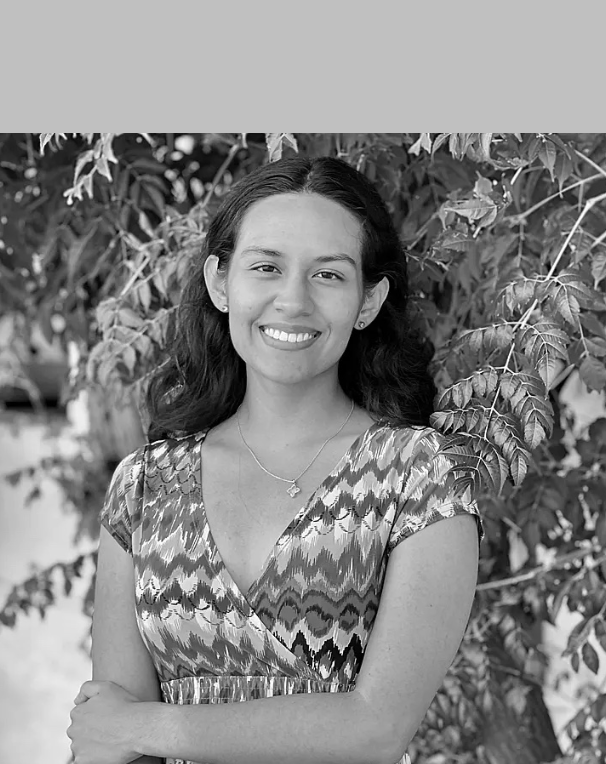
Alejandra Gonzalez, M.A.
Alejandra holds an M.A. from Ralston College and bachelor’s degrees in biochemistry and English literature from the University of Georgia. In true classical spirit, her curiosity has led her through ESL and music teaching, research laboratories, great books and universities, and several ancient and modern languages. She has always been passionate about learning holistically about God’s creation and is excited to now bring her teaching ability to the revival of Catholic classical education.
A Note from Our Pastor, Fr. Pablo Migone
✝
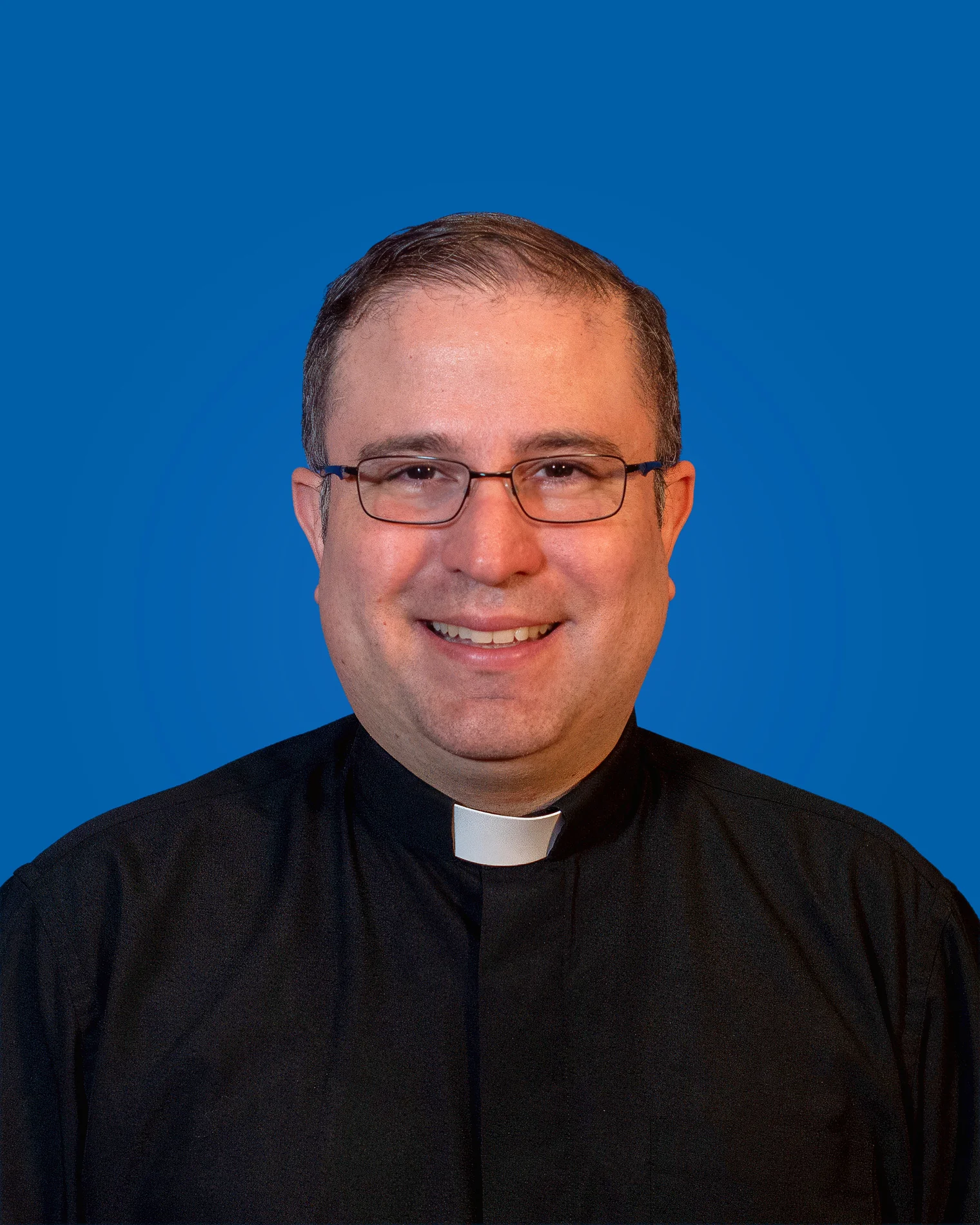
I am thrilled to welcome you to Saint Thomas More Academy, that meets at my parish, Corpus Christi Catholic Church. I am glad you are considering a Catholic classical education for your children, grounded in the living of our faith through love and service. I have been the Pastor of this community since July 2021, and a priest of the Diocese of Savannah since June 2009. I am a graduate of Aquinas Catholic High School in Augusta, Franciscan University of Steubenville and the Pontifical University of Saint Thomas Aquinas (Angelicum). Our Church offers such a rich wellspring of knowledge, and Saint Thomas More Academy is an instrument for your children to be enriched by it.
Welcome to Corpus Christi,
Father Pablo M. Migone
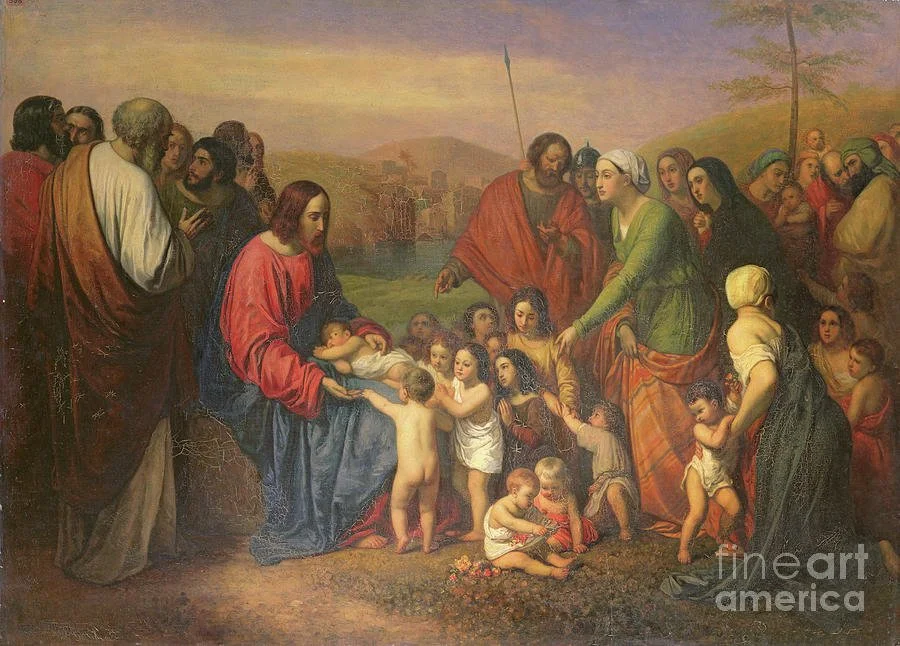
Go therefore and make disciples of all nations, baptizing them in the name of the Father and of the Son and of the Holy Spirit and teaching them to obey everything that I have commanded you. And remember, I am with you always, to the end of the age.
– The Great Commission, Matthew 28:19-20